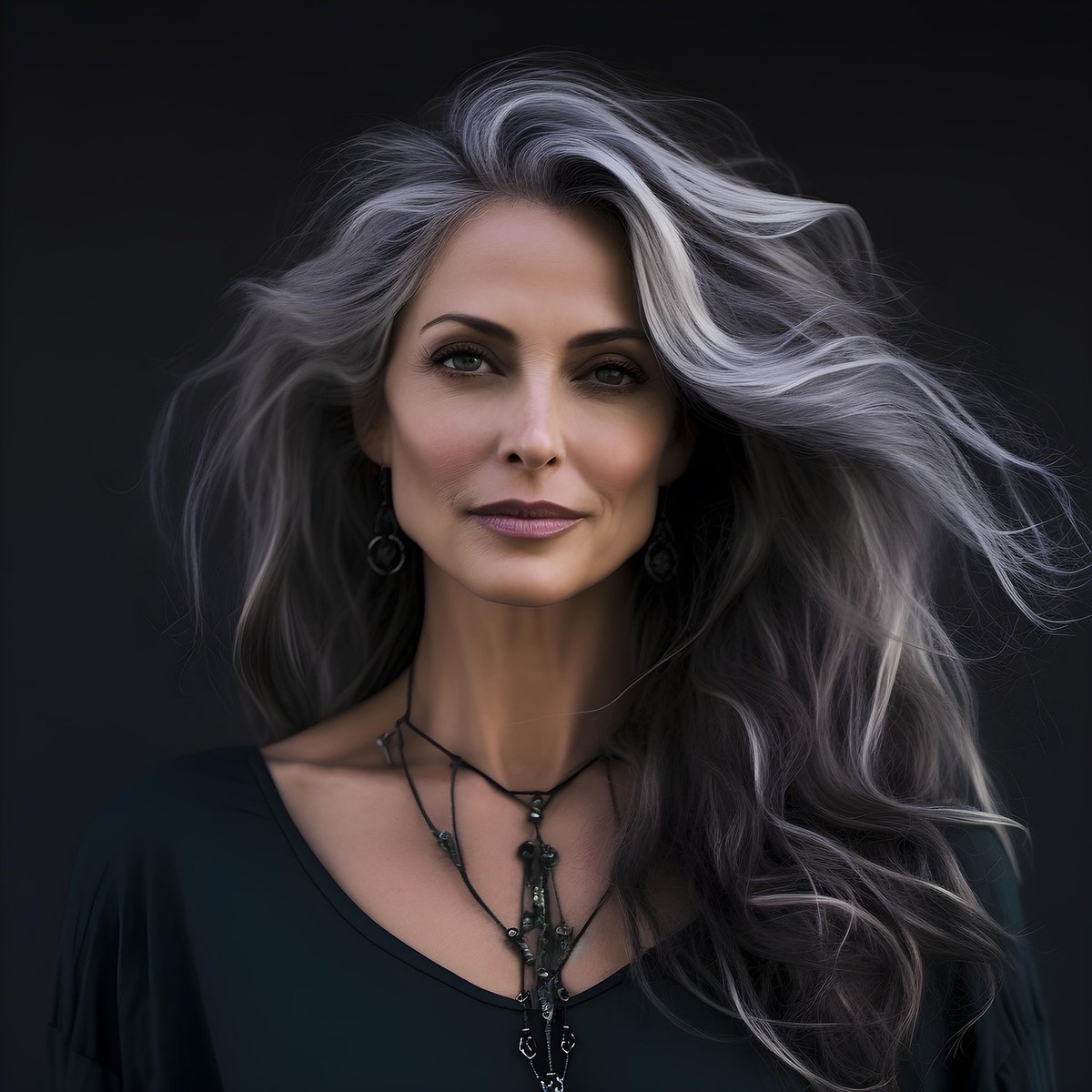
The digital landscape is constantly evolving, and one of the most transformative shifts we're witnessing is the rise of artificial intelligence in creative fields. Nowhere is this more apparent than in the adult entertainment industry, where generative AI is quickly becoming a game-changer. If you’re curious about how to create AI generated adult images using text-to-image prompts, you’ve landed in the right place. This guide will walk you through the process, from understanding the technology to mastering the art of prompt crafting, all while emphasizing the crucial ethical and legal considerations involved.
It's a world where a few descriptive words can conjure highly customizable, lifelike visual content. But with great power comes great responsibility. Before diving into the technical how-to, it’s vital to grasp the capabilities, limitations, and most importantly, the boundaries of this emerging technology.
At a Glance: Key Takeaways
- Generative AI Basics: Understand how text-to-image models use algorithms to create visuals from written descriptions.
- Choosing Your Platform: Select AI art generators that offer robust text-to-image features and clear ethical guidelines.
- Mastering Prompts: Learn to write detailed, descriptive prompts (and negative prompts) to guide the AI effectively.
- Beyond Text: Explore advanced techniques like image-to-image transformations for greater control.
- Ethical & Legal Responsibility: Recognize the serious implications of creating non-consensual or illegal content (e.g., deepfakes, child sexual abuse material).
- Prioritize Consent & Legality: Always operate within legal frameworks and ethical boundaries to avoid severe consequences.
The New Frontier: Understanding AI's Role in Adult Content Creation
Artificial intelligence, particularly through generative AI models like Generative Adversarial Networks (GANs) and sophisticated text-to-image systems, is fundamentally reshaping how explicit material can be produced. Instead of relying solely on traditional photography or animation, creators can now generate detailed, customizable images, videos, or even animations from simple textual descriptions. This innovation offers an unparalleled degree of control over characters, settings, actions, and styles, opening up new avenues for creative expression within the adult entertainment sphere.
The allure is clear: the ability to manifest highly specific fantasies or artistic visions without the logistical complexities of traditional content production. From a desired body type to a unique pose, or a fantastical scenario, AI can bring these concepts to visual life, offering a level of personalization previously unimaginable. However, this power also brings complex ethical and legal questions to the forefront, demanding a responsible and informed approach from anyone engaging with the technology.
Navigating the Landscape: Choosing Your AI Image Generator
To begin creating AI-generated adult images, you'll need access to a robust text-to-image platform. These platforms serve as your digital canvas, interpreting your textual prompts and rendering them into visual art. While many AI art generators exist, it's crucial to select one that aligns with your creative goals while also maintaining a clear stance on ethical use.
Platforms like PixelDojo, for example, enable responsible engagement with AI art creation. They offer tools like Text-to-Image (your primary focus), Image-to-Image transformation, and even Text-to-Video, allowing users to generate and modify visual content from text or existing images. Importantly, such platforms often adhere to specific ethical guidelines, which you must review and understand before beginning.
When choosing a platform, consider these factors:
- Generative Capabilities: Does it excel at creating detailed, realistic, or stylized human figures? Some models are better suited for specific aesthetics.
- Feature Set: Look for features beyond basic text-to-image, such as negative prompting (to exclude unwanted elements), inpainting/outpainting (to edit specific parts or expand an image), and style transfer.
- User Interface: Is it intuitive and easy to use? A steeper learning curve can hinder your creative flow.
- Community and Support: Active communities can offer valuable tips, prompt ideas, and troubleshooting advice.
- Ethical Guidelines & Content Policies: This is non-negotiable. Understand what content is explicitly forbidden and what measures the platform takes to prevent misuse.
Taking the time to research and pick the right tool is the first critical step toward choosing the best AI image generator for your needs and ensuring a productive and responsible creative journey.
The Art of the Ask: Crafting Effective Prompts for Adult Imagery
The power of AI art generation lies almost entirely in your prompts. A prompt is essentially a set of instructions you give the AI, guiding it to create the image you envision. For adult imagery, where details and nuances are particularly important, mastering prompt engineering is paramount.
Prompt Engineering 101
Think of prompt engineering as speaking the AI’s language. You're not just describing an image; you're providing a structured query that the AI will break down and interpret based on its vast training data. The more precise and descriptive your instructions, the closer the generated image will be to your mental picture. Vague prompts lead to generic, often unsatisfactory results.
Anatomy of a Good Prompt
A robust prompt for adult AI imagery usually includes several key components, often separated by commas for clarity:
- Subject: Clearly define the person or people in the image.
- Example: "young woman," "athletic male," "curvy blonde woman," "couple"
- Action/Pose: Describe what the subject is doing and how they are positioned.
- Example: "reclining on a sofa," "standing confidently," "in a seductive pose," "kissing passionately"
- Setting/Environment: Where is the scene taking place? This adds context and atmosphere.
- Example: "luxurious bedroom," "sandy beach at sunset," "dark alley," "steamy shower"
- Physical Attributes: Specific details about the subject's appearance. Be very explicit if these details are critical.
- Examples: "long red hair," "piercing blue eyes," "muscular build," "tattoos on arm," "large breasts," "toned legs"
- Clothing/Lack Thereof: Specify what they are wearing, or if they are nude.
- Examples: "sheer lace lingerie," "ripped jeans and a tank top," "completely nude," "only a towel"
- Expressions/Emotions: How are the subjects feeling or expressing themselves?
- Examples: "sultry gaze," "smiling playfully," "intense stare," "blushing"
- Art Style/Lighting/Camera Angle: These influence the aesthetic quality of the image.
- Examples: "photorealistic," "oil painting," "cinematic lighting," "close-up shot," "from behind"
Specifics for Adult Content: Show, Don't Just Tell
When generating adult content, it’s critical to use descriptive, specific language without being overtly crude or relying on jargon. The AI doesn’t understand euphemisms as well as direct descriptions.
Good Examples:
- "photorealistic, curvy blonde woman, with long flowing hair, wearing translucent black lingerie, reclining seductively on a velvet chaise lounge, soft golden hour lighting, sensual expression, intricate tattoos on her thigh, wide-angle shot"
- "athletic male, muscular physique, standing in a steamy shower, water dripping down his chest, looking directly at the camera with a confident smirk, detailed skin texture, dramatic backlighting, wet hair"
- "two beautiful women, in an intimate embrace on a futuristic bed, soft glowing lights, entangled limbs, passionate kiss, highly detailed, realistic skin, cyberpunk aesthetic"
Vague Examples (and why they fail): - "hot woman" (Too generic, AI will guess)
- "nude girl in bed" (Lacks detail, will be bland)
- "sexy couple" (No action, no setting, no specifics)
Leveraging Negative Prompts
Equally important are negative prompts. These tell the AI what not to include in your image. This is invaluable for refining results and removing undesirable artifacts or elements that the AI might otherwise generate by default.
Common Negative Prompts for Adult Imagery:
poorly rendered, bad anatomy, deformed limbs, extra fingers, missing fingers, ugly, disfigured, blurry, low resolution, watermark, text, out of frame, amateur, cartoon, drawing, sketch, extra heads, multiple people (if you want one)- You might also use negative prompts to exclude specific clothing items or situations.
By diligently crafting both your positive and negative prompts, you’ll be well on your way to mastering the art of prompt engineering and achieving the desired results.
Beyond Text: Advanced Techniques for Finer Control
While text-to-image prompts are the foundation, advanced techniques offer even greater precision and creative control over your AI-generated adult images.
Image-to-Image Transformation
Sometimes, starting from scratch with text isn't enough. Image-to-image transformation allows you to upload an existing image (a sketch, a photo, or even another AI-generated image) and use it as a base. You then apply text prompts to guide the AI in transforming or refining that base image. This is incredibly useful for:
- Maintaining a consistent style: If you have a particular aesthetic you love, you can feed it back into the AI.
- Experimenting with variations: Generate multiple versions of an existing image with slight prompt tweaks.
- Refining details: Fix small imperfections or add new elements to an otherwise good image.
ControlNet, Inpainting, and Outpainting (Briefly)
More sophisticated platforms and advanced users might delve into tools like ControlNet, which allows you to guide the AI with structural inputs, such as a specific pose derived from a stick figure or depth map. This ensures consistent poses and body language across multiple generations.
Inpainting lets you select a specific area of an image and regenerate only that part based on a new prompt, perfect for correcting errors or changing details like an outfit or a facial expression. Conversely, outpainting expands your image beyond its original borders, allowing you to create a wider scene based on contextual prompts.
Character Consistency Across Images
One of the challenges in AI art is maintaining a consistent character across multiple images. Some specialized platforms are emerging to address this. For example, some allow users to upload up to 50 character images and set conditions for each. The character automatically sends the corresponding image if their reply or the prompt matches the specified conditions. This feature is particularly valuable if you're aiming to create a series of images featuring the same character with a consistent appearance.
Image Specifications for Optimal Results:
When uploading reference images or ensuring your AI outputs are ready for use, keep these general specifications in mind:
- Aspect Ratio: A 3:4 aspect ratio is often recommended for full-body character images, as it's common for portraits.
- Maximum Size: Typically, a maximum size of 5MB per image is a good guideline.
- Supported Formats: PNG, JPEG, JPG, GIF, and WEBP formats are widely supported.
Understanding and utilizing these advanced techniques can elevate your AI art creation from simple generations to a highly refined and controlled artistic process.
The Ethical Crossroads: Responsibility in AI Adult Image Creation
While the creative possibilities of AI-generated adult images are vast, they are overshadowed by significant ethical and legal considerations. Engaging with this technology demands a deep understanding of its potential for misuse and a commitment to responsible creation.
The Deepfake Dilemma: Non-Consensual Explicit Material
Perhaps the most critical concern is the creation of non-consensual explicit material, commonly known as "deepfakes." This involves using AI to superimpose a person's face onto an explicit image or video without their permission. The rise of these deepfakes has led to severe reputational damage, emotional distress, and even extortion for victims. It's a blatant violation of privacy and consent, and it's an area where the lines between creation and harm become terrifyingly clear.
Companies like Alecto AI, founded by Breeze Liu, are actively developing AI-powered systems to combat this. Utilizing facial-recognition and visual-analysis models, these systems are designed to detect and aid in the removal of non-consensual imagery, highlighting the urgent need for technological solutions to mitigate misuse.
Legal Ramifications: Where Creativity Meets the Law
The legal landscape around AI-generated content is rapidly evolving, with jurisdictions worldwide scrambling to catch up. In the United States, for instance, California has been at the forefront of enacting legislation. In 2024, Governor Gavin Newsom signed bills making the creation, possession, or distribution of AI-generated child sexual abuse material (CSAM) a felony. This is a crucial distinction: AI-generated images of children, regardless of whether they depict real individuals, are treated with the same severity as traditional CSAM. This demonstrates a clear legislative intent to protect vulnerable populations from AI exploitation.
Beyond CSAM, the laws regarding deepfakes and non-consensual adult imagery are also tightening. Creating or disseminating explicit AI-generated content depicting real individuals without their explicit consent can lead to severe civil and criminal penalties, including significant fines and imprisonment. It's imperative for anyone using AI for adult image generation to be aware of and comply with understanding AI deepfake laws in their specific jurisdiction.
Platform Policies: Your First Line of Defense
Most reputable AI art platforms, including those that allow for adult-themed content, have strict Terms of Service (ToS) and content policies designed to prevent illegal and unethical use. These policies typically prohibit:
- Child Sexual Abuse Material (CSAM): Any depiction of minors in sexual contexts, regardless of whether they are real or AI-generated.
- Non-Consensual Nudity (NCN) / Deepfakes: Content that depicts real identifiable individuals in explicit situations without their consent.
- Hate Speech & Harassment: Content that promotes discrimination, violence, or harassment.
- Illegal Activities: Any content depicting or promoting illegal acts.
Violating these policies can result in account termination, legal action, and reporting to relevant authorities. Understanding and respecting these guidelines is not just about avoiding punishment; it's about fostering a responsible and ethical digital environment. Your commitment to ethical AI art creation guidelines protects both yourself and potential victims.
Consent and Respect: The Unwavering Principles
At the heart of all ethical considerations lies the principle of consent and respect. If you are generating AI content that could be misconstrued as depicting a real person, or if you are incorporating elements that resemble real individuals, you must ensure you have explicit, informed consent. When dealing with purely fantastical or non-identifiable AI characters, the ethical burden shifts, but the principle of not creating harmful or exploitative content remains paramount.
Your Toolkit for Responsible Creation: Best Practices
Engaging with AI generation, especially in the adult sphere, requires vigilance and adherence to a strict set of best practices. This isn't just about avoiding legal trouble; it's about being a responsible digital citizen and understanding the impact of your creations.
- Prioritize Privacy and Consent:
- Never use AI to create explicit images of real, identifiable individuals without their explicit, informed consent. This includes celebrities, public figures, and especially private citizens. The legal and ethical ramifications are severe.
- Avoid using prompts that could inadvertently lead the AI to generate images resembling real people. If your intent is purely fictional, ensure your descriptions lean heavily into archetypes or highly stylized, non-identifiable features.
- Understand and Adhere to Platform Terms of Service:
- Before you start generating, meticulously read the content policies of your chosen AI art platform. They often have specific rules regarding nudity, adult content, and what constitutes acceptable use. Violations can lead to account suspension or legal action.
- Educate Yourself on Current Laws:
- Laws surrounding AI-generated content are dynamic. Keep yourself informed about local, national, and international legislation regarding deepfakes, child sexual abuse material (CSAM), and digital rights. As we've seen with the 2024 California bills, the legal landscape is evolving rapidly.
- Practice Critical Self-Assessment:
- Before sharing or even creating an image, ask yourself: Is this potentially harmful? Could it be misinterpreted? Am I infringing on anyone's rights? If there's any doubt, err on the side of caution.
- Be Wary of Training Data Bias:
- Remember that AI models are trained on vast datasets, which can carry societal biases. Be mindful that your prompts might inadvertently trigger such biases, leading to stereotypical or problematic representations. Actively work to counteract this through careful prompt engineering.
- Seek Out and Support Ethical AI:
- Where possible, choose platforms and models that openly discuss their ethical frameworks, content moderation efforts, and commitment to preventing misuse. Supporting such initiatives helps steer the future of AI towards greater responsibility.
- Consider the Broader Impact:
- The rise of AI-generated content has societal implications, from altering perceptions of reality to influencing relationships (consider the prevalence of AI companions among teenagers, with a 2025 survey by Common Sense Media finding nearly three-quarters of American teenagers had used an AI companion at least once). Be aware of the wider conversation and your role within it.
By adopting these best practices, you contribute to a more responsible AI use in content creation ecosystem. For those looking to delve deeper into the types of content being generated, you can explore the world of AI-generated porn pics, but always keep these ethical guidelines front and center.
Common Questions & Clearing the Air
The world of AI-generated adult imagery is rife with misconceptions and legitimate concerns. Here are some common questions answered to provide clarity:
Is it legal to create AI adult images?
Yes, generally, it is legal to create AI-generated adult images as long as they do not depict real, identifiable individuals without their explicit consent and do not constitute child sexual abuse material (CSAM) or other illegal content. The legality largely depends on the content itself, the jurisdiction you're in, and how the image is used or distributed. Creating purely fictional, non-identifiable adult characters is typically permissible, but the moment a real person is involved without consent, or a minor is depicted, it becomes illegal.
Can AI create images of real people without their consent?
Technologically, yes, AI can be used to create explicit images of real people without their consent (this is the essence of deepfakes). Ethically and legally, this is highly problematic and often illegal. Such actions violate privacy, can cause immense harm, and are subject to severe legal penalties in many regions. Reputable AI platforms explicitly forbid this and employ measures to detect and prevent it.
What are the risks of using AI for this type of content?
The risks are substantial and include:
- Legal Consequences: Fines, imprisonment, and civil lawsuits, especially for deepfakes or CSAM.
- Reputational Damage: For creators, being associated with unethical or illegal content can destroy careers and personal lives.
- Platform Bans: Most AI services will ban users who violate their terms of service.
- Ethical Concerns: Contributing to the normalization of non-consensual content or the exploitation of vulnerable groups.
- Security Risks: Unregulated or malicious AI tools might expose your data or contain malware.
How do platforms detect misuse, like deepfakes or CSAM?
AI platforms are increasingly employing advanced detection methods:
- Facial Recognition: To identify known individuals or detect if a generated face matches a real person.
- Visual Analysis Models: AI trained to recognize patterns and characteristics associated with illegal content, such as CSAM.
- Metadata Analysis: Examining image origins and generation parameters.
- Human Moderation: A crucial layer where human moderators review flagged content and complex cases.
- User Reporting: Community members can report suspicious or illicit content.
Is AI replacing human models or adult content creators?
While AI offers new ways to create content, it's more accurate to say it's augmenting rather than fully replacing human creators. AI provides tools for unique artistic expression and niche content that might be impractical with human models. However, the human element—authentic emotion, real-world experience, and consensual human interaction—remains a core draw for much of the adult entertainment industry. AI is another tool in the creator's kit, not a complete substitute.
Looking Ahead: The Evolving Landscape of AI and Adult Content
The journey into AI-generated adult images is still in its early chapters. What's clear is that AI's impact extends far beyond static images. The technology is rapidly advancing towards more sophisticated video generation, and even into the realm of artificial human companions. A 2025 survey by Common Sense Media revealed that nearly three-quarters of American teenagers had used an AI companion at least once, with over half reporting regular use. This highlights AI's growing role in emotional support and simulated romantic interactions, suggesting a future where digital relationships become increasingly common.
As the capabilities of generative AI continue to expand, so too will the conversations around ethics, legality, and societal impact. We'll likely see more nuanced laws, more sophisticated detection methods, and ongoing debates about what constitutes responsible innovation. The balance between creative freedom and safeguarding against harm will remain a central challenge.
Your Journey Forward: Creating with Conscience and Creativity
Stepping into the world of AI-generated adult images is an exciting prospect, offering unprecedented creative potential. With the right tools and a solid understanding of prompt engineering, you can bring highly specific visions to life.
However, the power of this technology carries significant weight. As you embark on this creative journey, remember that your choices have real-world implications. Prioritize ethical considerations, adhere strictly to legal guidelines, and always operate with respect for others' privacy and consent. By doing so, you'll not only unlock the incredible creative power of AI but also contribute to a safer, more responsible digital future for everyone. Create thoughtfully, create responsibly, and enjoy the innovative possibilities that AI brings to your artistic endeavors.